Summer and winter tires in Switzerland:
When to switch, tread depth, and car resale value
When should you switch between summer and winter tires? How much tread depth do you need in Switzerland? Find out when to change your tires, how to choose the right ones, and why their condition matters when selling your car.
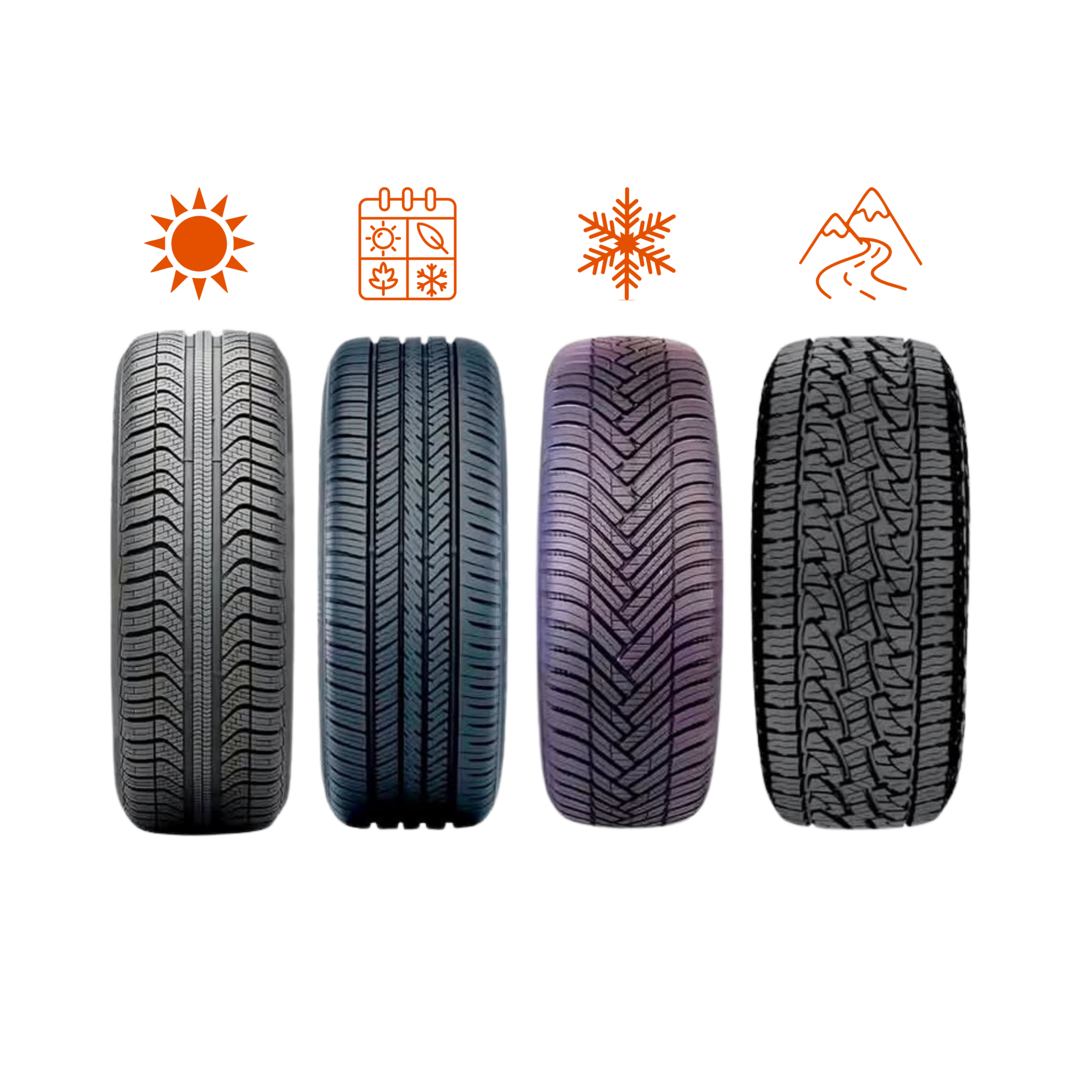
When should you change to summer or winter tires in Switzerland?
In Switzerland, a common rule of thumb is to use winter tires from October to Easter. While there’s no legal requirement to switch tires at a specific time of year, this guideline helps drivers prepare for colder temperatures and winter road conditions.
What really matters is the weather and road conditions. In Switzerland, these can vary significantly depending on the region and altitude.
When should you switch to winter tires?
When temperatures start dropping consistently and winter driving conditions are expected, it’s time to consider switching to winter tires. The 7°C rule is often used as a general guideline.
When temperatures start dropping consistently and winter driving conditions are expected, it’s time to consider switching to winter tires. The 7°C rule is often used as a general guideline.
If temperatures stay around 7°C or below for an extended period, switching to winter tires may be a good idea. However, 7°C isn’t a strict cutoff. The decision should ultimately depend on the weather forecast and road conditions.
Winter tires are made with a special rubber compound and feature small grooves called sipes, which help improve grip on snowy roads and in cold weather.
Autobuster Tip: If you regularly drive in the mountains or head to work early in the morning, make sure to book your tire change ahead of time. Don’t wait for the first snowfall, as garages tend to get especially busy in autumn.
When should you switch to summer tires?
Once temperatures start rising consistently in spring and winter road conditions are no longer expected, it’s usually a good time to switch to summer tires.
Summer tires are designed for warmer weather and generally provide better handling and grip on both dry and wet roads than winter tires during the summer months.
Autobuster Tip: Don’t wait until the first snowfall to book your tire change. Garages tend to get especially busy in autumn, so it’s best to book early.
Summer, winter or all-season tires: Which are right for you?
The right tires for you depend on where you drive, how many kilometres you cover each year, and the weather conditions you typically encounter.
Summer tires: Better performance in warm and wet weather
Summer tires are designed for warmer temperatures, providing reliable grip and handling on both dry and wet roads.
The firmer rubber compound of summer tires offers several benefits in warm weather:
Shorter braking distances
Reduced tire wear
Low rolling resistance
However, when temperatures drop significantly and roads become snowy or icy, properly fitted winter tires provide better grip and safety.
Winter tires: Better grip and safety in snow, ice and cold weather
Winter tires are designed to perform in cold temperatures and challenging winter conditions. Their rubber compound stays flexible in low temperatures, while the specially designed tread pattern helps provide better grip on slippery roads.
Winter tires feature numerous small slits in the tread, known as sipes. These create additional biting edges that help improve traction on snow-covered roads.
Winter tires perform particularly well in the following conditions:
Cold temperatures
Cold and wet roads
Winter tires, however, are less suitable for summer driving. In warmer temperatures, they can lead to longer braking distances and reduced handling performance.
How to identify winter tires: What do 3PMSF and M+S mean?
You can tell whether a tire is suitable for winter driving by checking the markings on its sidewall.
The 3PMSF symbol (Three-Peak Mountain Snowflake) shows a snowflake inside a mountain with three peaks. Tires carrying this symbol have passed standardized tests for traction on snow and meet specific winter performance requirements.
M+S stands for “Mud and Snow.” However, this marking alone doesn’t mean a tire has passed standardized snow traction tests or meets the same requirements as a tire with the 3PMSF symbol.
If you’re buying or selling a used car, it’s worth checking the tire markings too. An extra set of winter tires can be a valuable bonus, especially if they have enough tread depth and are properly rated for winter driving.
All-Season tires: Are they right for you?
All-season tires, also known as all-weather or four-season tires, combine features of both summer and winter tires.
They can be a practical alternative if you don’t drive much and mainly travel in areas with mild winters.
All-season tires could be a good fit if you:
Rarely drive in the mountains or visit ski resorts
Can avoid driving when there's heavy snowfall
Want to avoid switching between summer and winter tires twice a year
However, all-season tires are still a compromise. If you regularly drive long distances, spend a lot of time on motorways, or need to drive in snowy and icy conditions, you’re generally better off with separate sets of summer and winter tires.
Important: If you plan to use all-season tires during winter, make sure they carry the 3PMSF (Three-Peak Mountain Snowflake) symbol. Performance can vary significantly between tire models, so it’s worth checking independent tire tests before making a decision.
Minimum tire tread depth in Switzerland: What does the law require?
Tire tread depth plays a crucial role in road safety. Worn tires can be particularly dangerous on wet or snowy roads, increasing the risk of losing traction or aquaplaning.
In Switzerland, the legal minimum tire tread depth is 1.6 mm for both summer and winter tires.
For safety reasons, however, the Touring Club Switzerland (TCS) recommends replacing your tires before they reach the legal minimum tread depth.
| Tire Type | Legal Minimum | TCS Recommendation |
|---|---|---|
| Summer Tires | 1.6 mm | 3 mm |
| Winter Tires | 1.6 mm | 4 mm |
| All-season tires | 1.6 mm | 3 mm in summer, 4 mm in winter |
Winter tires, in particular, lose grip on snowy roads as their tread wears down. That’s why it’s important to replace them before they reach the legal minimum tread depth.
How to check your tire tread depth
The easiest way to measure your tire tread depth is with a tread depth gauge.
Check the tread depth at several points across each tire, as wear can be uneven. For legal purposes, tread depth is measured in the main tread grooves, so make sure to check those rather than the smaller grooves.
If you’re unsure, you can always have your tires checked at a garage.
Good to know when selling your car: If your tires are heavily worn, potential buyers may take the cost of replacing them into account when negotiating the price.
How old is too old? Understanding tire age and safety
Tread depth isn’t the only thing that matters. The age of your tires is just as important.
Over time, tire rubber loses its flexibility and can become brittle. This can affect grip and handling, even if the tires still have plenty of tread left.
Switzerland has no legal maximum age limit for tires. However, the Touring Club Switzerland (TCS) recommends replacing tires once they’re more than eight years old for safety reasons.
How to check your tire's age using the DOT code
You can find out when your tire was manufactured by checking the DOT code on its sidewall.
For example, a DOT date code ending in 1224 means the tire was manufactured in the 12th week of 2024.
It’s also a good idea to regularly inspect your tires for cracks, damage and uneven wear.
Tire age also matters when selling a used car. Even if an older set of tires still has plenty of tread left, potential buyers may prefer a newer set in similar condition.
Are winter tires mandatory in Switzerland?
In Switzerland, there is no general legal requirement for passenger cars to have winter tires.
However, your car must always be safe to drive. If you use unsuitable tires in snowy or icy conditions and end up blocking traffic or causing an accident, you could face legal consequences or issues with your insurance.
Depending on the circumstances, an accident could result in a fine, reduced insurance payouts, or your insurer seeking to recover some of the costs from you.
The Swiss Federal Roads Office (ASTRA) therefore strongly recommends using tires suitable for winter conditions during the colder months.
Winter tire requirements in other countries
If you’re planning to drive abroad, keep in mind that winter tire regulations can vary from country to country.
Countries such as Germany, Austria, France and Italy may have specific requirements for winter tires or snow chains, depending on the season, weather conditions and region.
Before heading abroad, make sure you’re familiar with the local winter driving regulations. The TCS provides a helpful overview of winter tire requirements in other countries.
Can you legally drive with winter tires in summer?
In Switzerland, it’s legal to drive with winter tires during summer. However, it’s not recommended for safety reasons.
Winter tires are specifically designed for colder temperatures and winter driving conditions.
Using winter tires in warm weather can lead to several problems:
Reduced vehicle stability
Increased tire wear
Potentially higher rolling resistance and fuel consumption
The Touring Club Switzerland (TCS) also advises against using older winter tires throughout the summer just to wear them out.
How do your tires affect your car's resale value?
If you’re planning to sell your car, make sure your tires are in good condition and suitable for the season.
For example, if you’re selling your car in summer with heavily worn winter tires, potential buyers may factor the cost of a new set of summer tires into their offer.
However, buying new tires before selling your car isn’t always worth it. What matters is whether the cost could pay off through a higher resale price or a better chance of finding a buyer.
Electric car tires: What should you know?
Electric cars can have different tire requirements due to their often higher weight, instant torque and the impact of rolling resistance on driving range.
When choosing tires for an electric car, there are a few key things to consider:
Durability and resistance to wear
Reliable braking and handling performance
Low tire noise for a quieter ride
Not every electric car needs tires specifically designed or marketed for EVs. What matters most is choosing the right tire size, load and speed ratings, and making sure the tires meet the vehicle manufacturer’s requirements.
Good to know when selling your car: Tire condition matters just as much when selling a used electric car. Worn or unsuitable tires can mean extra costs for the buyer, potentially affecting how much they’re willing to pay.
Want to learn more about electric cars? Check out our guide to electric mobility in Switzerland for more tips on buying and selling used EVs.
Should you buy new tires before selling your car?
Maybe your tires are due for a change, and you’re also thinking about selling your car soon. So, is it worth investing in a new set of tires before putting your car up for sale?
A well-maintained car with tires in good condition is more likely to make a positive impression on potential buyers. But if the tires are heavily worn or need replacing soon, buyers may use this as a reason to negotiate a lower price.
However, buying new tires before selling your car isn’t always worth the investment.
Let’s look at an example
You’re planning to sell your car, but a new set of tires would cost you CHF 800.
New tires can make your car more appealing to potential buyers, but that doesn’t necessarily mean you’ll get an extra CHF 800 when you sell it.
Whether it’s worth the investment depends on several factors, including your car’s value, market demand and the condition of its current tires.
For a newer, more expensive car, a good set of tires can make a real difference to how buyers perceive its overall condition. But for an older car with a lower resale value, spending money on new tires may not make as much financial sense.
Our tip: Before spending a lot of money on your car, it’s worth finding out how much it’s currently worth. This will help you decide which repairs or upgrades are worth the investment before selling.
At Autobuster, we help you determine your car’s realistic market value and make sure it’s properly prepared for sale.
Selling your car with summer and winter tires: What you need to know
Many drivers have a second set of summer or winter wheels stored away. When it’s time to sell their car, they often wonder whether to include the extra set in the sale.
An extra set of wheels can be a real selling point, especially if the tires are still in good condition.
Here are a few things to consider when selling your car:
Tire age: How old are the tires according to their DOT date codes?
Wheel condition: Are the rims in good condition, or do they show signs of damage?
Winter suitability: Do the winter tires carry the 3PMSF snowflake symbol?
What's included: Is it clear which tires and wheels are included in the sale price?
However, including an extra set of wheels doesn’t necessarily increase your car’s resale value by the amount you originally paid for them.
How much are extra summer or winter tires worth when selling a car?
A second set of wheels can be a great selling point, but how much value it adds depends on several factors. These include the age, brand and tread depth of the tires, the condition of the rims, and whether the wheels are compatible with the car.
An extra set of premium alloy wheels with nearly new tires is likely to be much more appealing to buyers than an older set with worn tires.
When valuing an extra set of wheels, don’t just look at what they originally cost. What really matters is how much extra value they offer potential buyers.
At Autobuster, we take all the extras into account when valuing your car and preparing its listing. This includes any additional sets of summer or winter wheels.
This way, potential buyers know exactly what’s included in the sale from the start, and any extras can be factored into the price negotiations.
New tires or a new car: When is it time to sell?
A seasonal tire change is also a great opportunity to check your car’s overall condition.
You might find that your car needs more than just new tires. A major service, new brakes or other repairs could also be due. For older cars in particular, these costs can quickly add up.
Before investing in repairs, ask yourself:
What maintenance or repair costs should I expect in the coming months?
Do I really want to keep driving this car for several more years?
Is now a good time to consider changing cars?
Of course, needing new tires doesn’t necessarily mean it’s time to sell your car. But if you’re already considering switching to another vehicle, it’s worth comparing the upcoming maintenance and repair costs with your car’s current market value.
Sell your car with Autobuster: Easy and hassle-free
Want to sell your car without the hassle of creating listings, dealing with endless enquiries, arranging test drives and negotiating prices?
That’s where Autobuster comes in.
We take care of the entire selling process, from valuing your car and creating professional listings to handling enquiries, negotiations and the final sale.
Instead of trading your car in at a dealership, we help you sell it directly to a private buyer, giving you the opportunity to get a better price.
Our goal: To help you get a great price for your car, without the usual hassle of selling it privately.
Our 5% commission is only charged once your car is sold. Any additional services are agreed upon separately.
You relax. We negotiate!
Summer and winter tires in Switzerland: Frequently asked questions
Winter tires aren’t legally required in Switzerland. However, a common rule of thumb is to use them from October to Easter. The best time to switch ultimately depends on the weather and road conditions.
In Switzerland, the legal minimum tread depth is 1.6 mm for all tires. However, for safety reasons, the Touring Club Switzerland (TCS) recommends at least 4 mm for winter tires and 3 mm for summer tires.
There’s no legal maximum age limit for tires in Switzerland. However, the TCS recommends replacing tires once they’re more than eight years old, even if they still have plenty of tread left.
Yes, you can legally drive with winter tires in summer in Switzerland, but it’s not recommended for safety reasons. In warmer weather, winter tires can lead to longer braking distances and reduced handling performance.
Yes, all-season tires are legal in Switzerland. If you plan to use them in snowy or icy conditions, make sure they carry the 3PMSF (Three-Peak Mountain Snowflake) symbol. Whether all-season tires are a good choice for you depends mainly on where you drive, your driving habits and the weather conditions you typically encounter.
It depends on the condition of your current tires, your car’s value and how much a new set would cost. New tires can make your car easier to sell, but you won’t necessarily get back everything you spend on them.
An extra set of wheels in good condition can make your car more appealing to buyers. Just make sure the listing clearly states the age and tread depth of the tires, along with exactly what’s included in the sale.
New tires can make your car more appealing to potential buyers and save them the cost of replacing worn tires. However, how much this affects your car’s resale value depends on the vehicle itself, market demand and the condition of the previous tires.
It mainly depends on when you’re planning to sell your car and the condition of its current tires. Whether you’ve already switched between summer and winter tires is rarely the deciding factor when choosing the best time to sell.
Conclusion: Choosing the right tires and what matters when selling your car
Whether you use summer, winter or all-season tires, choosing the right ones is essential for staying safe on Swiss roads. Make sure to switch your tires at the right time, check their tread depth regularly and keep an eye on their age.
If you’re planning to sell your car soon, it’s worth considering which expenses are actually worthwhile before putting it up for sale. New tires can make your car more appealing to buyers, but they’re not always worth the investment.
An extra set of summer or winter wheels can also be a valuable selling point when selling a used car. However, how much value they add depends on their condition and the demand for your vehicle.
Thinking about selling your car? With Autobuster, you can find out what your car is worth and leave the entire selling process to us. We’ll take care of everything, so you don’t have to.
Get your free car valuation and sell without the hassle!
Sources
ADAC: ADAC Summer Tire Tests (accessed October 13, 2026).
https://www.adac.de/rund-ums-fahrzeug/ausstattung-technik-zubehoer/reifen/reifentest/sommerreifen/
ADAC: ADAC Winter Tire Tests (Retrieved October 13, 2026).
https://www.adac.de/rund-ums-fahrzeug/ausstattung-technik-zubehoer/reifen/reifentest/winterreifen/
ADAC: All-Terrain Tires in the ADAC Test: All-Show and No-Go or All-Around Performer? (Accessed October 13, 2026).
https://www.adac.de/rund-ums-fahrzeug/ausstattung-technik-zubehoer/reifen/reifentest/spezielle-reifentests/all-terrain-reifen-test/
ADAC: ADAC All-Season Tire Tests (Retrieved October 13, 2026).
https://www.adac.de/rund-ums-fahrzeug/ausstattung-technik-zubehoer/reifen/reifentest/ganzjahresreifen/
Touring Club Switzerland (TCS): Winter Tire Requirements Abroad (Retrieved October 13, 2026).
https://www.tcs.ch/de/camping-reisen/reiseinformationen/wissenswertes/fahrzeugvorschriften/winterreifenpflicht-ausland.php
Federal Roads Office (ASTRA): Winter Tires: From October to Easter (accessed October 13, 2026).
https://blog.astra.admin.ch/winterpneus-von-oktober-bis-ostern/
United Nations Economic Commission for Europe (UNECE): New UN Regulation Harmonizes the Identification and Snow Performance of Studded Tires (Retrieved October 13, 2026).